
Keynotes and panels
Speakers & Panellists
Impact by Design: Building Research Infrastructures for Science, Innovation and Society
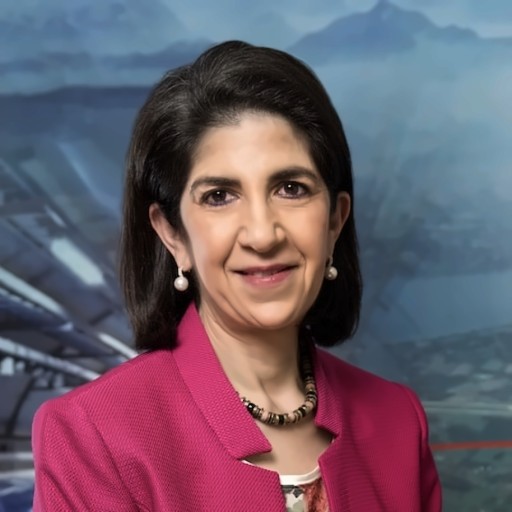
Fabiola Gianotti
CERN Director-General 2016-2025; President of COTEC Italy
Fabiola Gianotti, PhD, is a particle physicist who served as CERN Director-General from 2016 to 2025, the first woman to hold the post and the first Director-General appointed for two full terms. She has made major contributions to several CERN experiments, working on detector R&D and construction, software development, and data analysis, with particular emphasis on technologies and strategies to search for the Higgs boson. As head of the ATLAS experiment at CERN’s Large Hadron Collider, she played a leading role in the 2012 discovery of this particle. She has received 17 honorary doctorates worldwide and numerous prizes, including the Special Breakthrough Prize in Fundamental Physics, the Enrico Fermi Prize of the Italian Physical Society, and the Tate Medal of the American Institute of Physics for International Leadership. She is a foreign member of seven academies and has been awarded the Knight Grand Cross of the Order of Merit of the Italian Republic. In 2012, Time magazine named her one of the top five “Person of the Year.”
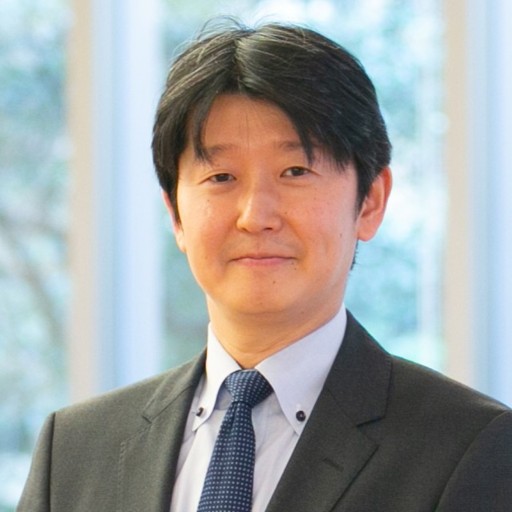
Daisuke Baba
Director, Research Environment Division, Science and Technology Policy Bureau, MEXT (Japan)
Mr. Daisuke Baba is Director of the Research Environment Division at Japan’s Ministry of Education, Culture, Sports, Science and Technology (MEXT). He oversees national policies to strengthen research infrastructures and expand access to shared facilities, including the synchrotron light sources SPring-8 and NanoTerasu. He also leads EPOCH, a national initiative to develop core research facilities at research universities and make advanced research equipment more widely accessible to researchers across Japan. Previously, Mr. Baba held senior policy and diplomatic positions in the Japanese Government, with responsibilities for strengthening university research and advancing fusion energy policy. He also served as First Secretary and Attaché for Science and Nuclear Affairs at the Embassy of Japan in Washington, D.C. His experience includes international scientific cooperation and major fusion initiatives such as ITER and the Broader Approach activities. He holds master’s degrees in physics and public policy.

Jessica Dempsey
Director General of the Square Kilometre Array Observatory
Professor Jessica Dempsey is a globally recognised radio astronomer and science leader, appointed to be the Director-General of the SKA Observatory from June 2026. Previously, she served as Director of the Netherlands Institute for Radio Astronomy (ASTRON) and Deputy Director of the East Asian Observatory and the James Clerk Maxwell Telescope in Hawaii. With expertise in submillimetre instrumentation, widefield surveys, and data-intensive science, she is also a member of the Event Horizon Telescope team that captured the first image of a black hole. Prof. Dempsey was the first Australian female scientist to work at the geographic South Pole and has led astronomical missions in some of the world’s most extreme environments. A passionate advocate for inclusive science, she champions ethics, equity, community-led science and leadership transformation, with a deep commitment to inspiring future generations in science and innovation
From Discovery to Deployment: Research Infrastructures as Platforms for Innovation and Public Missions
Gianfranco Federici
Head EUROfusion / Chair EIROforum
Gianfranco Federici is the Programme Manager of EUROfusion since 2025. Formerly, he led on assignment from Fusion for Energy the Fusion Technology Department and the DEMO Central Team in the EUROfusion Consortium, where he was responsible during the last 15 years for the coordination and technical oversight of the Design and R&D efforts in Europe aimed to the conceptual design of a DEMOnstration Fusion Power Plant (DEMO). He has worked in the ITER Project from 1990 till 2006. He received his Ph.D. (1989), M.Sc. (1988) in Nuclear Engineering from UCLA and his B.Sc. in Nuclear Engineering from the Polytechnic of Milan in 1985. He has an extensive (> 35 yrs) professional experience in fusion reactor design and fusion enabling technology developments. He has a strong record of resource management (human and financial) and technical oversight responsibilities in complex, cross-functional projects and technology development environments. He is well-known for his strong scientific track record and for spearheading research in key fusion research topics and contributing to important publications in peer-refereed scientific journals, some of which have truly impacted the field and constitute a body of work of recognised value. He is a recipient of a variety of several awards, including the Fusion Power Associates (FPA) Leadership Award (2019); the Outstanding Technical Accomplishment Award - ANS Fusion Energy Division (2002); the David J. Rose Award for Excellence in Fusion Engineering - FPA (2000). Since 2008, he’s also Fellow of the American Nuclear Society.
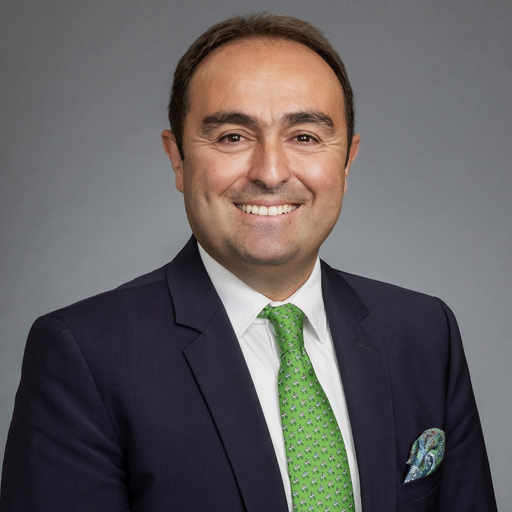
Mohamad Nasser-Eddine
Vice President, Programs · Canada Foundation for Innovation
As the CFI’s Vice President of Programs and Planning, Mohamad Nasser-Eddine leads the strategic design and delivery of national research infrastructure investments that enable world-class science and innovation across Canada. With more than 26 years of experience spanning academia, government and funding organizations, he now operates at the intersection of science, policy and leadership. He actively influences and advances the CFI’s mandate, guiding the evolution of Canada’s research and innovation ecosystem, while also driving measurable economic and societal impact to make that ecosystem a strong and sustainable one. Internationally, he represents Canada as an ad hoc expert to the European Strategy Forum on Research Infrastructures, including its Strategy Working Group on Environment, where he contributes to advancing global collaboration and sustainability priorities in research infrastructure. Throughout his career, Mohamad Nasser-Eddine has led transformative initiatives to enhance the impact of large-scale research investments, promote inclusive access to cutting-edge facilities, and advance responsible approaches to research assessment. He is particularly committed to fostering the next generation of talent, emphasizing the development of “T-shaped” skills that combine deep expertise with interdisciplinary capacity. He holds a PhD in chemistry and an executive MBA in technology management and began his career as a research scientist specializing in drug delivery systems.
José Luis Martínez Peña
ESFRI Chair
José Luis Martínez is a distinguished physicist and research leader who has extensive experience in materials science and research infrastructure. Early in his career, he conducted research at the Nagoya Institute of Technology in Japan and Brookhaven National Laboratory in the USA. He was a full professor of physics at the University of Madrid from 1984 to 1987 and later worked at the Institut Laue-Langevin research facility in Grenoble, France. In 1992, he joined the CSIC at the Institute of Materials Science in Madrid (ICMM), holding several senior research management roles including Deputy Director General for Research Projects at the Spanish State Secretariat for R&D, and Deputy Director General of the Institut Laue-Langevin from 2007 to 2012. He has served on the French Nuclear Waste Evaluation Commission since 2016 and will chair the European Strategy Forum on Research Infrastructures (ESFRI) from 2024 to 2026. He holds a PhD in Materials Physics from the Universidad Autónoma de Madrid.
Value Proposition and Design of Research Infrastructures
Adrian Tiplady
Deputy Managing Director, Strategy and Partnerships, South African Radio Astronomy Observatory
Dr Adrian Tiplady is currently the Acting Managing Director at the South African Radio Astronomy Observatory (a National Facility of the South African National Research Foundation), which is responsible for implementing South Africa’s strategic investments in radio astronomy. This includes construction and operation of the MeerKAT radio telescope, and leading South Africa’s participation in the multi-national SKA project. Dr Tiplady operates at the intersection of science, technology and strategy. He’s primarily been involved in the successful siting and hosting of the SKA telescope in South Africa, as well as establishment of the SKA Observatory as an inter-governmental treaty organisation. He has keen research insight and practical experience in the establishment of a ‘social license to operate’ through the design of multi-dimensional value propositions for research infrastructure.
Marica Branchesi
Full Professor at the Gran Sasso Science Institute
Marica Branchesi is Full Professor of Astrophysics at GSSI, Corresponding Fellow of the Accademia dei Lincei, CNRS Ambassador Fellow, and Academia Europaea member. A leading multi-messenger astronomy expert, she played a pivotal role in the landmark multimessenger discovery of GW170817. She holds coordination roles within the Einstein Telescope (ET) Collaboration, serves on its Executive Board, and is member of the Italian delegation to the ET Board of Governmental Representatives. She sits on the Astroparticle Physics European Consortium’s Scientific Advisory Committee. Previously, she served on the Italian Space Agency’s Board of Directors and presided over the Scientific Council of the Istituto Nazionale di Astrofisica. She has led national and European research projects and currently holds a coordination role in the European-funded ACME (Astrophysics Centre for Multimessenger Studies in Europe) project. Her honours include the Occhialini Prize, the Into Change Prize 2026, and recognition in Nature’s 10 in 2017 and Time100 in 2018.

Girma Bitsuamlak
Director WindEEE Research Facilities
Dr. Girma Bitsuamlak is a Professor at Western University and Director of the WindEEE Research Facilities, one of 19 Canada Foundation for Innovation Major Science Initiatives (CFI-MSI) facilities. His work advances the climate resilience and sustainability of buildings and communities. He co-created large-scale testing capabilities for hurricanes, tornadoes and downbursts, including the Wall of Wind in Miami and tornado and downburst testing at the WindEEE Dome. He also developed computational wind engineering workflows for extreme winds and sustainable buildings. He leads WindEEE’s participation in the Horizon Europe ERIES project. He contributed to the first tornado-load provisions submitted for the National Building Code of Canada (NBCC 2030), the ASCE/NIST Computational Wind Engineering Prestandard, and NIST and NSF research roadmaps. He has published over 220 peer-reviewed papers and supervised 78 postgraduates. He is a Fellow of the Canadian Academy of Engineering and the Canadian Society for Civil Engineering.
Gabriela Ferreira Gomez
CNPEM
Gabriela Ferreira is a Senior Specialist in Institutional R&D Collaborations at the Brazilian Center for Research in Energy and Materials (CNPEM). She works on institutional strategy and international scientific cooperation, developing partnerships involving research infrastructures, scientific organizations, governments, and international networks. Her work includes strategic reflection on how research infrastructures develop and sustain scientific and technological capabilities, adapt to changing expectations, and generate long-term value for science and society. She also contributes to CNPEM’s international engagement and to collaborative initiatives connecting its research, technological, and infrastructure capabilities with partners in Brazil and abroad. Gabriela holds a Joint PhD in International Relations from the University of São Paulo (USP) and King’s College London. Her broader academic background spans economics, law, and the social sciences, bringing a multidisciplinary perspective to her work across science, technology, policy, and international cooperation.
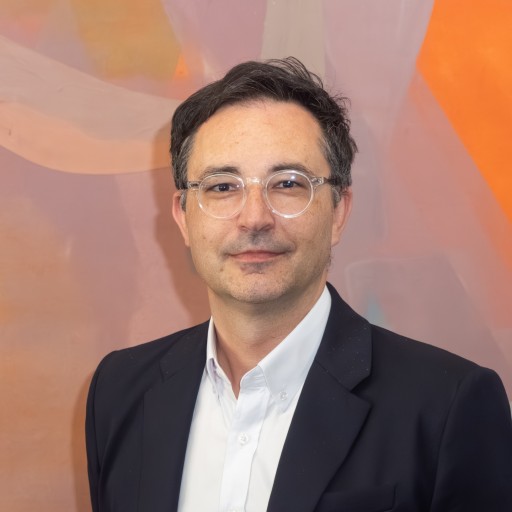
Wojtek Goscinski
Chief Executive Officer of the National Imaging Facility
Professor Wojtek Goscinski is Chief Executive Officer of the National Imaging Facility (NIF), Australia’s advanced imaging network. NIF provides advanced biomedical imaging capabilities that support Australia’s health and medical research priorities and help industry develop new medical products. It brings together universities, medical research institutes and government science agencies and operates under the Commonwealth Government’s National Collaborative Research Infrastructure Strategy. He is an Adjunct Professor of Practice in Monash University’s Faculty of Medicine, Nursing and Health Sciences. Professor Goscinski has held leadership roles across research infrastructure, including high-performance computing and biomedical imaging.
Research Infrastructure Models for Impact

Jo McEntyre
Interim Director, EMBL European Bioinformatics Institute
Jo was appointed Deputy Director of EMBL-EBI in 2024, after being Associate Director of EMBL-EBI Services with responsibility for data resources between 2019 and 2024. She served as Interim Director for a year from March 2025-March 2026. Jo is also the Director of EMBL's Office for Science Information Management (OSIM), which supports open science best practice at EMBL. Between 2009 and 2022, Jo was the Team Leader for Literature Services at EMBL-EBI. Prior to joining EMBL-EBI, Jo was a staff scientist at the NCBI, National Library of Medicine, NIH, USA, where she worked on various literature-related resources and website usability, and was the Editor at Trends in Biochemical Sciences (TiBS), Elsevier. Jo’s primary focus has been on the integration of the open access literature with life sciences data, to support the development of new ways to access and discover research information. This has led to interests in the areas of text and data mining, curation, and scientific credit and impact systems. She holds a PhD in plant biology from Manchester Metropolitan University.

Despoina Sousoni
Programme Manager for Impact, Innovation and Industry - ELIXIR
Despoina Sousoni leads the industry and impact programmes at the ELIXIR Hub, working with ELIXIR's members, industry partners and impact experts to foster innovation and extend ELIXIR's influence across funders and policymakers, to help address the scientific and funding needs of the life sciences ecosystem. Her PhD in life sciences provides a strong scientific foundation, helping ensure that policy strategies and roadmaps reflect real-world research needs while staying aligned with European and global research priorities. To understand the impact of ELIXIR's digital infrastructure, she has developed methodologies to evaluate its Open Science's success in innovation, combining patent and publication metrics with Cost-Benefit Analysis. Her passion for building bridges between science and policy led her to work at the European Commission, the European Research Council Executive Agency and UNESCO, where she helped structure the 2021 Recommendation on Open Science and the related Science, Technology and Innovation strategy.

Yongjoo Kim
Korea Basic Science Institute Head of RI Policy
Yongjoo Kim, Ph.D., is Executive director of the Office of Policy Strategy and Planning at the National Research Facilities and Equipment Center (NFEC), Korea Basic Science Institute (KBSI), Republic of Korea. His work focuses on national research infrastructure policy, including lifecycle management of research facilities and equipment, shared access, professional workforce development, and governance and funding arrangements. He contributes to policy development connecting infrastructure investment with sustainable operations and effective use, including the role of ZEUS in supporting equipment information and access. His current interests include data standards, AI readiness, and international cooperation to strengthen research infrastructure services and their contribution to research and innovation.
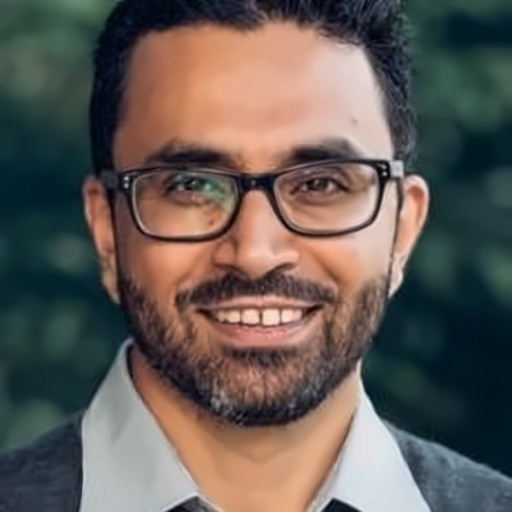
Sach Jayasinghe
Chief Executive Officer of QCIF Ltd
Adjunct Professor Sach Jayasinghe is the Chief Executive Officer and a Director of QCIF Digital Research, which provides digital research infrastructure capabilities to researchers within Australia as well as delivering data platforms that have a global end-user base. QCIF partners with a myriad of national and international partners, including collaborations with European research infrastructures, often catalysed via the Australian National Collaborative Research Infrastructure Strategy. Within QCIF, Sach leads several national projects encompassing more than $5 million of investment per annum, cutting across ecological conservation, applied AI in health, Quantum technologies and social sciences. Sach is also the Founder and Executive Director of the Academy for Collaborative Research Infrastructure. ACRI represents a dedicated voice for the research infrastructure workforce, advocating for clear career progression paths, delivering tailored professional development and fostering a community of peers for effective knowledge diffusion
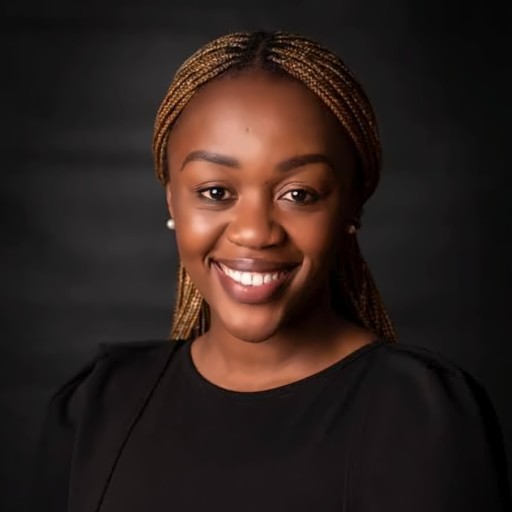
Nomfundo Makhubo
Stakeholder Manager at South African Radio Astronomy Observatory
Nomfundo Makhubo serves as the Stakeholder Relations Manager at the South African Radio Astronomy Observatory (SARAO), a national facility of the National Research Foundation (NRF) of South Africa. In this role, she oversees strategic stakeholder engagement, community development, Corporate Social Investment (CSI), and socio-economic development initiatives surrounding major international science infrastructure projects, including the MeerKAT telescope and the Square Kilometre Array (SKA). With over nine years of experience spanning research infrastructure, public sector engagement, and higher education, Nomfundo is dedicated to building sustainable, collaborative relationships between global science initiatives and local, national, and international communities. Her work centers on securing and maintaining a Social License to Operate (SLO) for large-scale research infrastructure, ensuring that surrounding communities derive tangible, long-term socio-economic value through targeted skills development, local enterprise integration, and inclusive science engagement. A passionate advocate for science diplomacy and inclusive innovation, Nomfundo brings a localised perspective to community co-design in large-scale science facilities. Her background as a former Cornell Institute for African Development Fellow, One Young World Fellow, and African Union Youth Volunteer informs her commitment to aligning scientific advancement with sustainable socio-economic development goals.
Sectoral Ecosystems: RIs Supporting Industry and Innovation Value Chains

Lisa Yen
Chief Executive Officer of Microscopy Australia
Dr Lisa Yen is the CEO of Microscopy Australia, enabling discovery and innovation through the Australian Government’s National Collaborative Research Infrastructure Strategy (NCRIS). She has 20 years of experience in collaborative research activities, nationally and internationally. She is a Board member of Global BioImaging, an international network of bioimaging facilities to share best practice and support career pathways for microscopists and imaging scientists around the world.
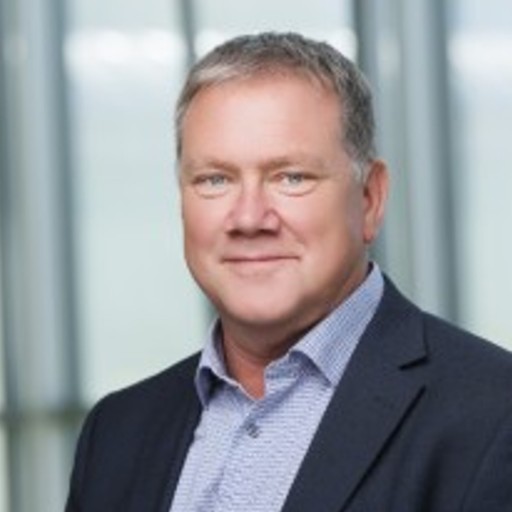
Volker Gerdts
Director and CEO of the Vaccine and Infectious Disease Organization
Dr. Volker Gerdts is the Director and CEO of the Vaccine and Infectious Disease Organization (VIDO) at the University of Saskatchewan, Canada. VIDO is amongst the largest research centers for infectious diseases globally, with significant high-containment and large animal housing capacity. An in-house manufacturing facility allows process development and manufacturing of both human and veterinary vaccines. Dr. Gerdts has published > 170 peer-reviewed papers, given > 400 presentations and led several multimillion-dollar projects. He has served in various administrative roles, on various editorial boards and national and international scientific review panels. Dr. Gerdts is a fellow of the Canadian Academy of Health Sciences
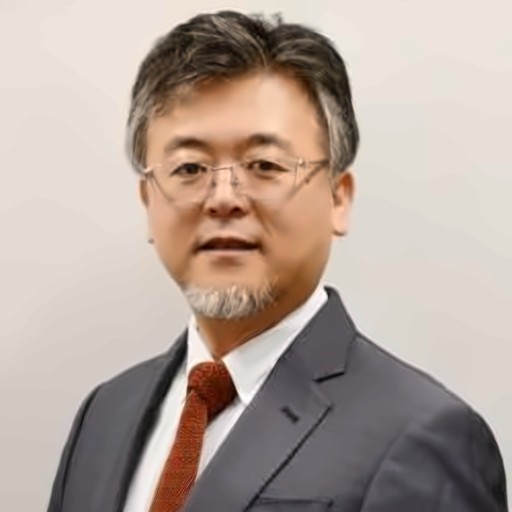
Yoshio Mita
Professor at The University of Tokyo
Pr. Yoshio Mita is a Full Professor and a director of Nanosystem Integration Center (NanoHub), Graduate School of Engineering, the University of Tokyo (UTokyo). He received the B.E.(1995), M.E.(1997), and Ph.D.(2000) degrees from the Department of Electrical and Electronic Engineering UTokyo. He served as an Assistant Professor with the VLSI Design and Education Center (VDEC), UTokyo, then as a Lecturer (2001), Associate Professor (2005), and Professor (2022) at the Department of Electrical Engineering and Information Systems. While pursuing Multi-disciplinary Integrated CMOS-MEMS Devices and Processes, he built a world-class open facility of Micro and Nano Fabrication at Takeda Sentanchi Supercleanroom in the UTokyo, which served over 6000 users from 750 independent research groups, in which 1200 users from 230 groups are active. He first-and-co-published 79 journal articles and 322 international and domestic conferences, including 19 keynote and invited talks.
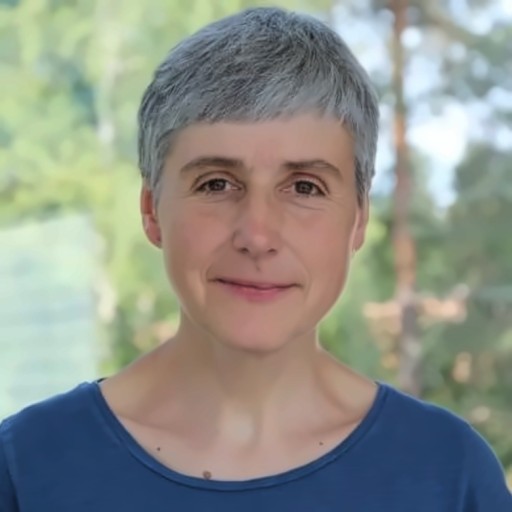
Barbara Schramm
Head of Department International Collaboration and Research Funding, Helmholtz-Zentrum Dresden-Rossendorf
Barbara Schramm is leading the Department International Collaboration and Research Funding at the Helmholtz-Zentrum Dresden-Rossendorf in Germany. Her particular focus is on the role of Research Infrastructures in the European research landscape. Since 2007, she has been deeply involved in several major trans-national access (TNA) projects, most recently in ReMade-at-ARI, a challenge-driven TNA project with the ARIE network at its core, offering integrated access to over 50 research infrastructures for materials R&D advancing the circular economy. Barbara Schramm is serving as German representative in the Administration and Finance Committee of ELI ERIC and is admitted as a permanent guest in its General Assembly. Barbara Schramm studied physics and mathematics in Heidelberg, Grenoble and Aarhus. She holds a PhD in physics from the University of Heidelberg and spent two years as a postdoc in the group of Alain Aspect in the Institut d’Optique in Orsay/ France before transitioning to research management.
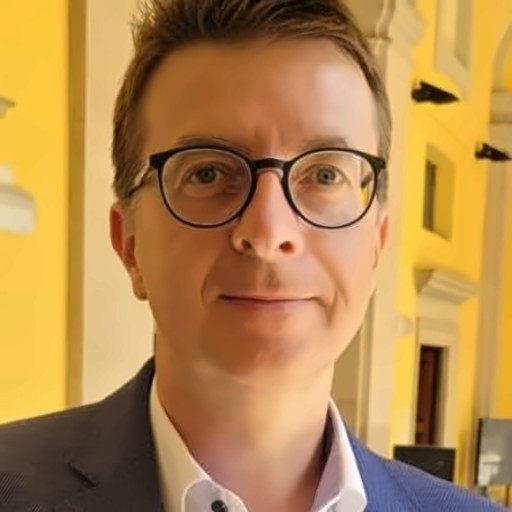
Johannes Gutleber
Senior Researcher at CERN
Johannes Gutleber is a Senior Staff Member at CERN in the Stakeholder Relations, European Union and International Organisations section. He works on strategies and implementation models for large-scale research infrastructures, with particular emphasis on their integration into innovation ecosystems, industry collaboration, knowledge and technology transfer, Open Science, and socio-economic impact. He has been closely involved in the Future Circular Collider (FCC) study since its inception and previously led key development work for MedAustron, the CERN/Austria particle-accelerator-based cancer treatment project. Earlier, he participated in the development of the data acquisition system for the CMS experiment at the LHC. Johannes is also a Professor at the University of Milan (Italy), where he teaches socio-economic analysis and sustainability-oriented design of Research and Technology Infrastructures, addressing how such infrastructures create value for science, industry and society.
Interplay of AI and Research Infrastructures for greater impact
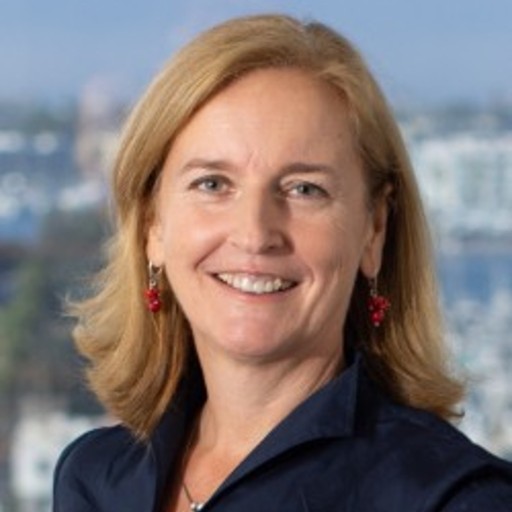
Ewa Deelman
Research Professor of Computer Science and Principal Scientist, USC Information Sciences Institute
Ewa Deelman received her Ph.D. in Computer Science from Rensselaer Polytechnic Institute. After a postdoctoral appointment at UCLA, she joined the University of Southern California’s Information Sciences Institute, where she is now a Research Director leading the Science Automation Technologies Center and a Research Professor in USC’s Department of Computer Science. Dr. Deelman is internationally recognized for pioneering research in scientific workflow planning and automation for distributed and high-performance computing environments. She is also the Principal Investigator of CI Compass, the NSF-funded Cyberinfrastructure Center of Excellence supporting the National Science Foundation’s Major and Mid-scale Research Facilities. She is a Fellow of AAAS, IEEE, and USC/ISI. Her contributions have been recognized with the HPDC Achievement Award, the Euro-Par Achievement Award, and the IEEE Computer Society Sidney Fernbach Memorial Award for her work in workflow-based parallel and distributed computing.

Fabio Petroni
Group Leader, EMBL Rome
Fabio Petroni is a Group Leader at EMBL Rome, where he works on AI-driven scientific discovery. He is a co-founder of Samaya AI, a financial knowledge-discovery company, and previously worked in Meta AI’s FAIR lab, where he contributed to early foundational work in knowledge-intensive NLP and co-developed Retrieval-Augmented Generation (RAG).
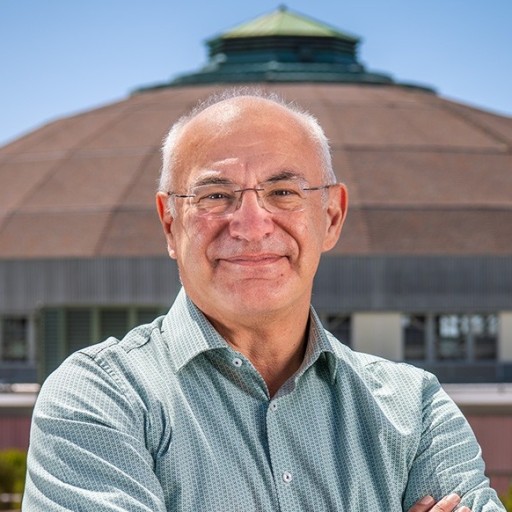
Dimitri Argyriou
Director, Advanced Light Source, Lawrence Berkeley National Laboratory
Dimitri Argyriou is an internationally recognized condensed matter physicist who utilized neutrons and X-rays to understand emergent behavior in complex oxides and novel superconductors. He has worked across scientific areas that include solid state chemistry, crystal growth and theory. He is the Director of the Advanced Light Source (ALS) at the Lawrence Berkeley National Laboratory and held senior leadership positions at the European Spallation Source and Ames National Laboratory. Argyriou received his Ph.D. and B.Sc. in Physics from the University of Technology, Sydney (UTS), Australia and his habilitation from Rheinisch-Westfälische Technische Hochschule, Aachen, Germany. He is a fellow of the American Physical Society and a recipient of the Friedrich-Wilhelm-Prize for his work on multiferroics. He has authored over 180 peer-reviewed publications and served on numerous scientific and facility advisory committees.
Natalie Harrower
Executive Director of the Canadian Research Data Centre Network
Dr. Natalie Harrower is the Executive Director of the Canadian Research Data Centre Network (CRDCN), a major science initiative and national research infrastructure for the social sciences and population health studies that was established in 2000. Natalie is an internationally recognised leader in open science, research and data in the social sciences and humanities, and the sustainability of research infrastructures. She currently serves on panels or groups for the Office of the Chief Science Advisor of Canada, the Council of Canadian Academies, the Canada Foundation for Innovation, the Digital Research Alliance of Canada, the Research Data Alliance and the Global Research Initiative on Open Science (GRIOS). From 2015-2022 Natalie was the Director of the Digital Repository of Ireland, where she transitioned the organisation from project funding to a sustainable business model with income streams from government departments, international research funders and philanthropists. At the same time, she stewarded Ireland’s National Open Research Forum from its initial roadmap for Open Science through national project funding.
Internationalisation of Research Infrastructures: Rationale, Sustainability and Governance
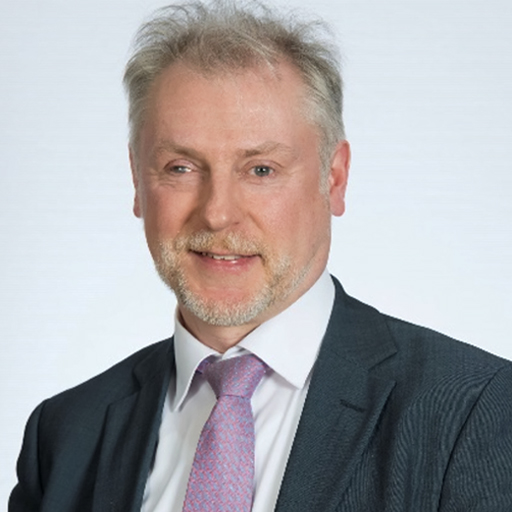
Frédéric Sgard
Acting Head of the Global Science Forum of the OECD
Frédéric Sgard is Acting Head of the Global Science Forum of the OECD (GSF). He has been involved in many of the Forum’s projects on research infrastructures, such as on an impact assessment framework, on very large research infrastructures or on RI ecosystems. The current GSF portfolio includes work on core facilities, international research infrastructures, the role and impact of curiosity-driven research, research security issues and on the research workforce. Frédéric Sgard acts as independent expert for various European research infrastructure projects. Prior joining the OECD, he worked as senior scientist in a pharmaceutical company until the end of 2002, on the discovery of new pharmacological targets. Trained as a molecular biologist, he studied Molecular Genetics at the University of Paris-Saclay (France), and obtained his Ph.D. from the University of Reading, UK, in 1994.
Pierluigi Campana
Director of the National Laboratories in Frascati
Senior Researcher at Frascati National Laboratory of Italian Institute for Nuclear Physics (INFN), he has a background in an experimental subnuclear particle physics. His scientific activity has been spent in several large experiments at high-energy particle colliders at CERN and at INFN Frascati, with a specific expertise in particle detectors. In his career he has managed large international scientific collaborations and directed research infrastructures. He is currently Chair of the International Committee for Future Accelerators, (ICFA) and Italian delegate at European Strategic Forum on Research Infrastructures. He is co-author of more than 600 scientific papers in the field of experimental particle physics.
Imraan Patel
Deputy DG for South Africa's Department of Science and Technology
A public policy and strategy manager with a focus on science, technology and innovation for social and economic development and sustainability. Employed since 2006 at the Department of Science, Technology and Innovation in South Africa, he is currently a Deputy Director-General responsible for Research Development and Support. His responsibilities include setting the policy direction and investment priorities for research infrastructures, post-graduate development, research system development, science engagement, open science and foundational science and indigenous knowledge systems. He also leads public efforts to support Astronomy, Antarctic and Ocean Sciences, Paleosciences and Global Change and Biodiversity. He was a past board member of several science-based research entities in Southern Africa. Currently, he is the South African lead to the Global Science Forum of the OECD, the governing board of the Transformative Innovation Policy Consortium (TIPC) and the High-Level Advisory Board of the All-Atlantic Oceans Research and Innovation Alliance (AAORIA).
The Future of Science Diplomacy
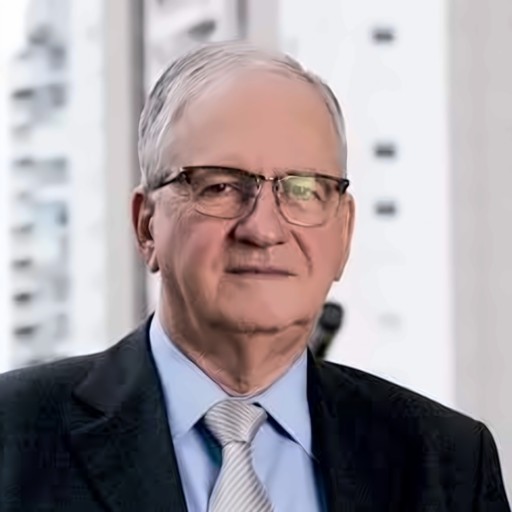
Marco Antonio Zago
President of Research Agency of the State of S. Paulo
Marco A. Zago. Emeritus Professor of Medicine at the University of São Paulo (USP), specialist in Hematology, Genetics and Oncology. He is the president of FAPESP (Research Agency of the State of S. Paulo, Brazil). He has been the President of the National Research Council of Brazil (CNPq), when he launched the Program of the National Institutes of Science and Technology. He was the Rector of University of São Paulo (USP) and the Health Secretary of the State of São Paulo. As president of FAPESP he has promoted the Program of Centers for Development, a research program in public policies and university extension, and the International Research Centers, which has brought to S. Paulo research centers from prominent international organizations, such as Institute Pasteur, CNRS, Politecnico di Torino, Max Planck Society and Tsinghua University.
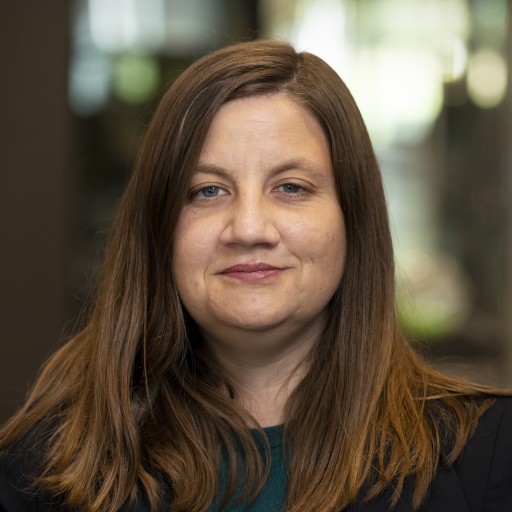
Erin O'Sullivan
IceCube spokesperson, Uppsala University
Erin O’Sullivan is an astrophysicist at Uppsala University in Sweden and the Spokesperson of the IceCube Collaboration, an international team of 450 scientists studying the universe with a detector buried deep in the Antarctic ice. Her career has taken her from underground neutrino detectors in Canada to Japan to the South Pole, pursuing a deeper understanding of some of the most elusive particles in nature. Her research focuses on using neutrinos to understand what happens in extreme environments in the universe, allowing us to study phenomena that would otherwise remain obscured.

Tuukka Petäjä
Scientific Advisor for ACTRIS ERIC
Prof. Tuukka Petäjä has 25 years of research experience related to experimental atmospheric sciences. He is the director of Institute for Atmospheric and Earth System Research. He leads INAR research infrastructure, which integrates national efforts in ICOS, ACTRIS, eLTER and ANAEE. INAR RI is one of six lighthouse infrastructures of Research Council of Finland. He is a co-founder of CarbonLink and Climate Analytics Finland that assess carbon footprint of companies and carbon uptake of natural ecosystems, respectively. Tuukka Petäjä is the scientific advisor for the ACTRIS research infrastructure, which has ESFRI Landmark status. Tuukka Petäjä’s research interests span from 1) Aerosol-cloud-climate interactions, 2) Development of mass spectrometric methods for atmospheric aerosols and trace gases; 3) Measurement techniques for aerosol particles; 4) Long-term and field campaigns; 5) Air quality, and 6) Arctic research. He has educated 43 PhDs to completion. He has published over 670 peer reviewed articles (11 in Science, 11 in Nature), total citations 45200, h-factor of 100. He is a highly cited scientist (2014-2025) and has received Aerosol Foundation Award for multidisciplinary research 2022, Vaisala Award 2013 for his work on combining state-of-the-art science and instrument development; Receiver of Science and Technology in Society Future Leader Award, New York Academy of Sciences, PI of Biogenic Aerosols - Effects on Clouds and Climate (BAECC), multiplatform research campaign to elucidate the role of secondary aerosols to clouds, supported by US Department of Energy. Board member of the PACES initiative. (Co)-Coordinating EU projects (ACTRIS-NEXT, iCUPE, ACTRIS IMP, RI-URBANS). 17.5 M EUR personal research funding as the PI, 78.9 M EUR with consortia.
When is it sound for an RI to go international?

Margaret Benoit
Head of Research Infrastructure Branch, National Science Foundation
Dr. Margaret (Maggie) Benoit is currently the Head of the Research Infrastructure Branch in the Office of Research Infrastructure at the U.S. National Science Foundation. She leads oversight of the agency’s major and mid-scale research infrastructure projects. Prior to this role, she was the Executive Officer in the Office of Polar Programs, Acting Senior Advisor for the Directorate for Mathematical and Physical Sciences, and a Program Director for Earth Sciences. She is a seismologist specializing in the evolution of the continental lithosphere.
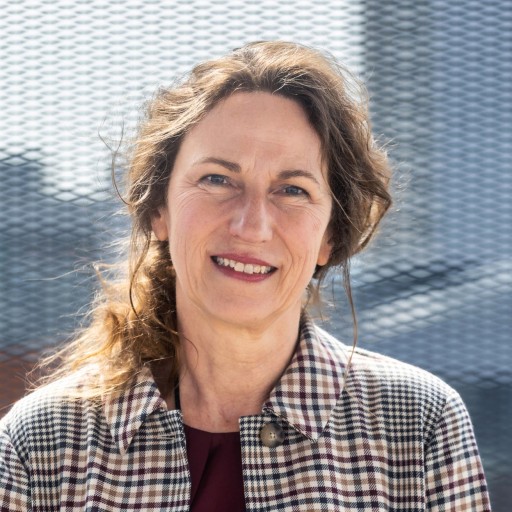
Jana Klánová
EIRENE Coordinator
Jana Klánová is a professor of environmental chemistry at Masaryk University in Brno, Czech Republic, and a director of RECETOX (www.recetox.muni.cz), the European Centre of Excellence in Environmental Health Sciences. She leads the RECETOX research infrastructure (MONET monitoring networks, CELSPAC population cohorts and biobanks, accredited chemical, biological and toxicological laboratories, GENASIS environmental information systems), and since 2018 also the European research infrastructure on human exposome (EIRENE, www.eirene.eu ) prioritized in the 2021 Update of the ESFRI Roadmap. She closely collaborates with WHO and UNEP in building capacities for a global assessment of toxic exposures and leads the GEO Initiative GOS4POPs (Global Observation System for Persistent Organic Pollutants). Jana is a member of the Learned Society of the Czech Republic and Honorary Doctor at Orebro University in Sweden.
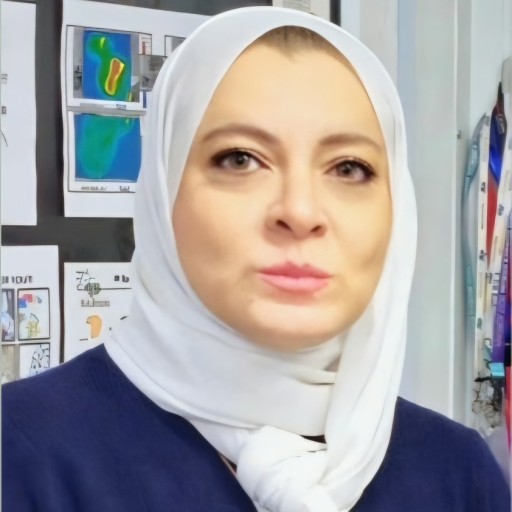
Gihan Kamel
BM02-IR Beamline Principal Scientist and Team Supervisor SESAME
Dr. Gihan Kamel is an Egyptian physicist and Principal Scientist and Team Supervisor of the BM02-IR Infrared Spectromicroscopy Beamline at SESAME (Synchrotron-light for Experimental Science and Applications in the Middle East), Jordan. She is currently on leave from the Physics Department at Capital University, Egypt, where she serves as an Associate Professor of Biophysics. Dr. Kamel received her Ph.D. in Physics from the University of Rome “La Sapienza” in 2011 and subsequently worked at the DAΦNE-Light Infrared Beamline at INFN Laboratori Nazionali di Frascati, INFN, Italy, before joining SESAME in 2015. At SESAME, she has played a leading role in the construction, operation, and scientific advancement of the infrared beamline, enabling cutting-edge synchrotron-based infrared spectromicroscopy research including biomedicine, life sciences, materials science, environment, archaeology, and cultural heritage. Her work has supported a broad international user community and contributed significantly to the growth of synchrotron science in the region. Beyond her scientific achievements, Dr. Kamel is deeply engaged in scientific capacity building, international collaboration, and science diplomacy. She contributes to initiatives strengthening research infrastructures across the Middle East and Africa, including efforts supporting the first African Light Source. A strong advocate for science as a platform for dialogue, cooperation, and peace, she actively promotes opportunities for young scientists, particularly women researchers, through mentorship, training, and international networks. In recognition of her contributions at SESAME, she was honoured by the President of the Italian Republic in 2017. Among other honours, she has co-received the 2024 American Physical Society John Wheatley Award and the 2025 LAAAMP Special Project Award for advancing scientific capacity and empowering emerging researchers across the Global South.
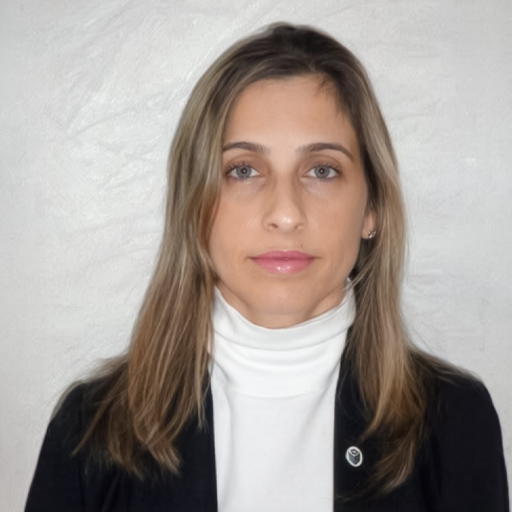
Dileine Amaral da Cunha
Coordinator of Negotiation, Advisory and International Studies, CNPq
PhD in Science Education from the Federal University of Rio Grande do Sul (UFRGS) and Master’s degree in International Relations from the University of Brasília (UnB), Brazil. Former Chief of Cabinet, Academic Advisor, and Institutional Attorney at the Brasília Institute of Higher Education (IESB). Currently serves as a member of IESB’s Evaluation Committee (CPA), representing the external community. A Science and Technology Analyst at the Brazilian National Council for Scientific and Technological Development (CNPq) since 2011, she has held several positions within the institution, including Deputy Coordinator for International Actions and International Program Management, and Coordinator of Information and International Studies. She currently serves as Coordinator of Negotiation, Advisory and International Studies (CONAE) and Acting Deputy General Coordinator of the General Coordination of International Cooperation in Science and Technology (CGCIN). Her areas of interest include South-South cooperation, international cooperation initiatives within the Latin American and Caribbean region, and the development of strategic dialogues and partnerships between these regions and Europe, particularly in science, technology and innovation.
Governance models, fair contribution frameworks and sustainability

Ben Brown
Director of the Facilities Division, Office of Advanced Scientific Computing Research, U.S. Department of Energy Office of Science
Dr. Benjamin (Ben) Brown is the Director of the Facilities Division in the U.S. Department of Energy’s Office of Science, Advanced Scientific Computing Research program. Ben leads and executes the conception, construction, and operation of DOE’s world-leading research supercomputing, data, and networking infrastructure to enable the DOE mission and the national research enterprise. Ben is the federal executive lead for the American Science Cloud, the Office of Science’s Lead for the Genesis Mission Platform, and the lead architect of the Department’s Integrated Research Infrastructure effort to achieve seamless interoperability of experimental, observational, computational, network, and data infrastructure. Ben has been a member of the federal Senior Executive Service since 2020. He has over twenty years of government service with extensive experience in research infrastructure strategy, budget formulation, risk management, and project management. He is a Ph.D. experimental physicist with specialization in ultrafast optics, ultracold atomic physics, and quantum information science
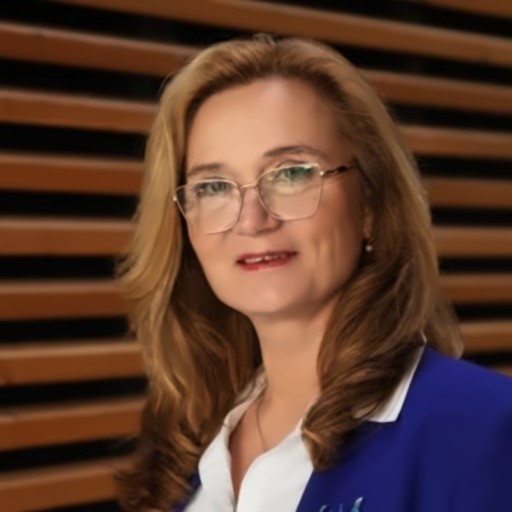
Nadezda Witzanyová
Senior Officer for External Affairs, ELI ERIC
Naďa Witzanyová is Senior Officer for External Affairs at The Extreme Light Infrastructure ERIC (ELI ERIC), where she develops international engagement, partnerships, and membership relations. From 2006 to 2013, she worked at the Czech Ministry of Education, Youth, and Sports, contributing to European Research Area initiatives (ESFRI delegate and ExBo Member, ERAC, SGHRM), the ERIC regulation, the Czech Presidency of the Council of the EU, and the development of the Czech research infrastructure system. She participated in ESFRI activities and coordinated Czech roadmaps for large research infrastructures. As Director for Strategy and Development at Research Center Řež, she worked on energy policy and established grant and technology-transfer offices. She has managed major structural-fund projects, served on Horizon 2020 and Horizon Europe Programme Committees, and acted as an EC expert (EGERIC WGR and SD Framework WGR). She holds degrees in macromolecular chemistry and research law, and an MBA in international relations and EU affairs.
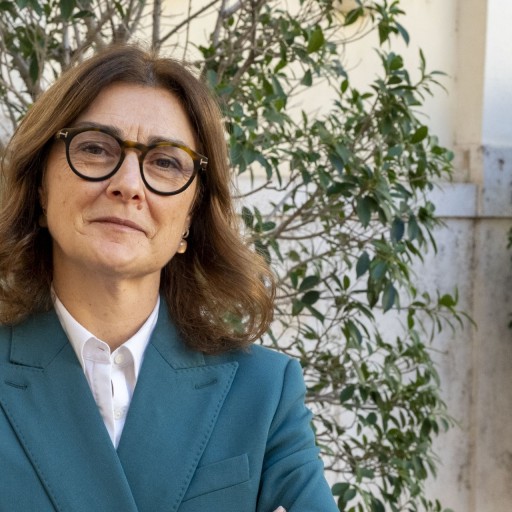
Giuliana Panieri
Director of the Institute of Polar Sciences, National Research Council of Italy
Giuliana Panieri is Director of the Institute of Polar Sciences at the Italian National Research Council (CNR) and Professor of Geology at UiT The Arctic University of Norway. A marine geoscientist with over 20 years of international experience, she has led numerous oceanographic expeditions exploring extreme Arctic environments. Her research focuses on marine biogeochemistry, methane dynamics, carbon cycling, and the interactions between geological processes, marine ecosystems, and climate change. She has authored over 200 scientific publications and coordinated major international research projects. Former Secretary General of the European Geosciences Union, she currently serves on the European Polar Board and national scientific committees for Arctic and Antarctic research. She is actively engaged in fostering international scientific cooperation, developing shared research infrastructures, and strengthening connections between polar science, environmental policy, and society. She is particularly committed to interdisciplinary research, science diplomacy, and supporting the next generation of scientists.
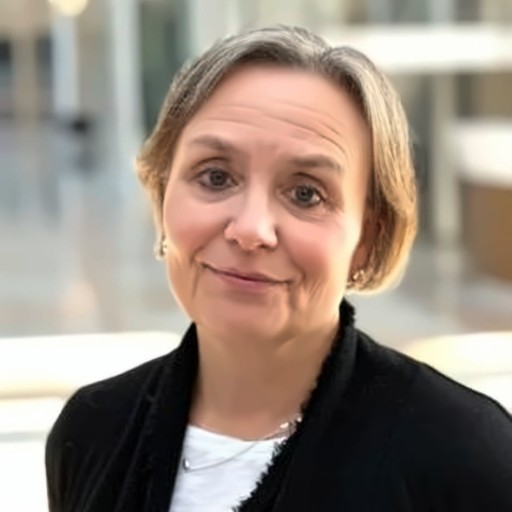
Solveig Flock
Department Director, Research Data and Research Infrastructures, The Research Council of Norway
Solveig Flock is Director of the Department for Research Infrastructure at the Research Council of Norway, where she has held senior roles since 2008. She has extensive experience in developing and coordinating Norway’s national research infrastructure initiative, a funding scheme for investment in national RIs and international collaboration. Her engagement in international cooperation on research infrastructure includes seven years on the Horizon 2020 Programme Committee for Research Infrastructures. She has also contributed to Nordic collaboration through the NordForsk High-level Advisory Group for Research Infrastructures and the Nordic Research Infrastructure Cooperation Committee. Before joining the Research Council, she worked as an associate professor at the Norwegian University of Life Sciences and as a research scientist at SINTEF. Solveig holds a PhD in organic chemistry from the University of Oslo.

Yann-Hervé de Roeck
Director General, Euro-Argo ERIC
Dr. Yann-Hervé De Roeck is heading Euro-Argo European Research Infrastructure Consortium, the structure coordinating Europe's contribution to the Argo network of autonomous floats, which provides a synoptic measurement of essential physical and biogeochemical parameters in the global ocean. His background is high performance numerical modelling that he applied in various marine domains in his career at Ifremer. His experience with research infrastructures also encompasses creating and directing a public-private research institute devoted to marine offshore renewable energies.
Trusted access, data governance and open science
Makina Yabashi
Director of RIKEN SPring-8 Center
Makina Yabashi is Director of the RIKEN SPring-8 Center (RSC), overseeing two major research infrastructures in Japan: SPring-8, an 8-GeV synchrotron radiation (SR) facility, and SACLA, an X-ray free-electron laser (XFEL) facility. He joined the SPring-8 construction project in 1996 and subsequently led the development of X-ray beamlines for SACLA in the mid-2000s. Following SACLA's commissioning, he spearheaded R&D efforts to exploit its unique capabilities. He currently leads the SPring-8-II upgrade project, transforming SPring-8 into a fourth-generation synchrotron radiation facility, with user operations scheduled to begin in 2029. The upgraded facility is expected to enable data-intensive science. He has served as Co-Chair of the XOPT international conference and as a member of international review committees for major SR/XFEL facilities. He received his Ph.D. from the University of Tokyo in 2003.
Vania Virgili
Director General, E-RIHS ERIC - Central Hub
Director General of E-RIHS ERIC, the European Research Infrastructure for Heritage Science. As a senior technologist at the Institute for Heritage Science of the Italian National Research Council (CNR), she coordinated E-RIHS’s implementation phase (2021-2024), leading to its establishment as a European consortium (ERIC). She holds an M.Sc. in Sciences for Cultural Heritage (2007) and a PhD in Chemical Sciences (2011), and bridges research management and science policy. She advised the Italian Minister of Culture (2014-2018) and served in the technical secretariat of the Minister of University and Research (2019-2021). In European projects, she leads sustainability in ECHOES, European Cloud for Cultural Heritage (2025-2029), and works on training in CHIRON (2026-2028) and on a knowledge graph for the humanities (GRAPHIA, 2025-2027). She contributed to the Strategic Research and Innovation Agenda (2024) for the future European Partnership for Resilient Cultural Heritage. She is Vice-Chair (2026) and Chair (2027) of the SSHOC Cluster.

Diana Stepanyan
Director of External Strategy and Relations, ERINHA
Ms Stepanyan is the Director of External Strategy and Relations at the European Research Infrastructure on Highly Pathogenic Agents (ERINHA), where she is responsible for EU affairs, international cooperation, strategic partnerships and membership development. She has been with ERINHA since its establishment in 2017, having previously worked at its coordinating institution, the French National Institute of Health and Medical Research (INSERM), at the Jean Mérieux BSL-4 Laboratory. She has extensive experience in European and international policy and advocacy, particularly in health security, global health, and pandemic preparedness and response. Earlier in her career, she held positions in European public policy and government affairs within the vaccine industry and worked on international projects related to major risks with the United Nations Development Programme (UNDP). Ms Stepanyan holds Master’s degrees in Political Science and International Relations, and in Business Administration.

Miriam Roelofs
Legal Counsel / Policy Advisor, research security policy, NWO-I
Senior strategic advisor NWO-I, Foundation for Dutch scientific research institutes Miriam Roelofs is senior Strategic Advisor at NWO-I, the organisation of ten Dutch national research institutes. She specialises in the governance, strategy and international development of large-scale research infrastructures. Her work focuses on strengthening international scientific collaboration, research governance and knowledge security. Miriam serves as the Dutch delegate to the ESRF Council, chaired an ESFRI Monitoring Panel, and is a member of the ESFRI Strategic Working Group on Physics, Science and Engineering. She currently leads a European work package for the creation of the legal entity of the Einstein Telescope. Over the past decades, she has contributed to the development and governance of major international research infrastructures, including SKAO, JIVE, LOFAR and KM3NeT, with expertise spanning governance models, public-private partnerships, research data management and knowledge transfer.
Bob Jones
Special Envoy of the EOSC Association for the EOSC Federation
Bob Jones is the Special Envoy of the EOSC Association for the EOSC Federation, and a senior member of the scientific staff at CERN. He was the coordinator for the award-winning Helix Nebula Science Cloud Pre-Commercial Procurement project procuring innovative cloud services for the European research community and contributing to the EOSC. Bob was the rapporteur for EOSC Sustainability Working Group. His experience in the distributed computing arena includes mandates as the technical director and then project director of the EGEE projects (2004-2010). Bob served two terms as an EOSC-A Director, from 2021 to 2024.
AI, data sovereignty and science diplomacy

Helen Glaves
Scientific Officer at EPOS ERIC
Helen Glaves has more than 30 years’ experience in marine geoscience and geoinformatics. She is a recognised expert in data science, policy and practice, with significant experience in leading data-related research activities. Her current role focuses on the development and implementation of research infrastructures, including acting as the Scientific Officer for the EPOS ERIC. Helen is a member and previous Deputy Chair of the ENVRI Board, the coordinating body for the cluster of European environmental research infrastructures. She is also actively involved in a number of national and international initiatives addressing various aspects of open science, including as co-chair of the In-situ Data subgroup and a member of the Data and Knowledge Working Group within the intergovernmental Group on Earth Observation (GEO). She is also a Senior Geospatial Expert with Evenflow, a European a consultancy specialising in space and Earth observations.
Serge Fdida
Professor at Sorbonne Université - LIP6-CNRS
Serge Fdida is a Professor with Sorbonne Université, Paris, France. He is a member of the French National Academy of Technology, an IEEE Fellow and an ACM Sigcomm Distinguished Scientist. He has been coordinating 11 research projects in Europe, including the current DIGITAfrica project. He established PlanetLab Europe test facility in 2007. He steered the successful SLICES initiative, the first large-scale scientific instrument in Digital Sciences, that entered the ESFRI roadmap in 2021. Serge Fdida also developed a strong experience related to innovation: - co-founder of the Qosmos and Hopcast companies, - leadership role to the creation of the Cap Digital cluster in Paris, President of EIT Health France and first coordinator of the 4EU+ European University. He also developed a strong experience in the governance of Higher research and education organizations: Vice-President European affairs University P&M Curie (2014-2018); Vice-President International Development of Sorbonne Université (2018-2021).
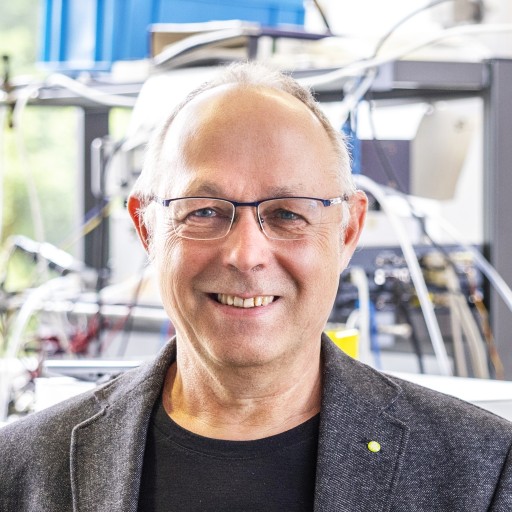
Andreas Petzold
Forschungszentrum Jülich; Co-coordinator of IAGOS
Prof. Andreas Petzold is an atmospheric scientist with longstanding experience in the measurement of climate relevant gaseous species and aerosol properties across the troposphere in various environments. He published more than 170 papers in ISI-listed journals. Today, he is heading the Research Group for Global Observation at the Institute of Climate and Energy Systems - Troposphere (ICE-3) at Forschungszentrum Jülich in Germany. He is also Professor for Atmospheric Physics at the University of Wuppertal. and serves as a member of the Scientific Advisory Group Aerosols of the Global Atmosphere Watch programme of WMO. One of his primary tasks is the coordination of the European Research Infrastructure IAGOS (www.iagos.org), jointly with colleagues from France and the U.K. As a convinced supporter of the concept of research infrastructures and open science, he is member of the Board of Directors of European Environmental Research Infrastructures (ENVRI).
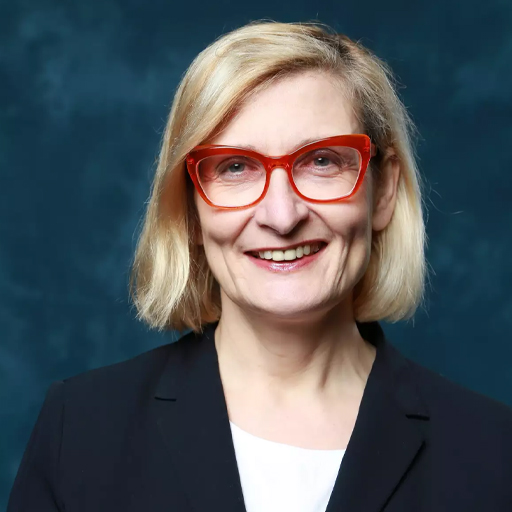
Bonnie Wolff-Boenisch
Executive Director of CESSDA ERIC, Chair ERIC Forum
Bonnie Wolff-Boenisch is the Executive Director of CESSDA ERIC, the European Consortium for Social Sciences Data Archives with seat in Bergen, Norway. The distributed infrastructure brings together 22 member countries and their social science data archives to support national and international social science research to address societal challenges through long-term, federated, and sustainable FAIR data services. She brings extensive work experience in different roles in research and research infrastructures, management and advocacy across different cultures, countries and research disciplines. She is a member of Scientific Advisory Boards in Germany, Italy, France and the US. Bonnie Wolff-Boenisch is currently the Chair of the ERIC Forum. Bonnie Wolff-Boenisch holds a PhD in Isotope Geochemistry from the Max-Planck Institute of Chemistry and the University in Mainz, Germany.
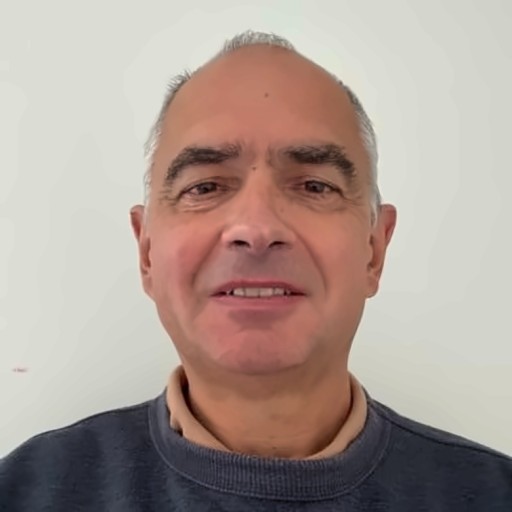
Philippe Sanseau
Executive Head of the Global Biodata Coalition, EMBL-EBI
Philippe Sanseau received his PhD from the University of Rennes (France) and undertook postdoctoral research at Cancer Research UK, specialising in immunogenetics. He subsequently joined the pharmaceutical industry at GlaxoSmithKline, where he led international computational biology teams, analysing genetics and genomics data to advance drug discovery. Throughout his career at GSK, Philippe maintained strong connections with academic researchers through scientific collaborations and advisory board roles. Notably, he played a key role in the establishment and success of the Open Targets consortium, a pioneering partnership that brings together academic and industry expertise. In March 2026, Philippe joined the Global Biodata Coalition (GBC) as Executive Head, bringing his recognition of the importance of having continuous access to biodata. In this role, he is focused on addressing one of the most pressing challenges facing the global life sciences community: ensuring the long-term sustainability of the biodata infrastructure that underpins scientific discovery and innovation.
Citizen Science event
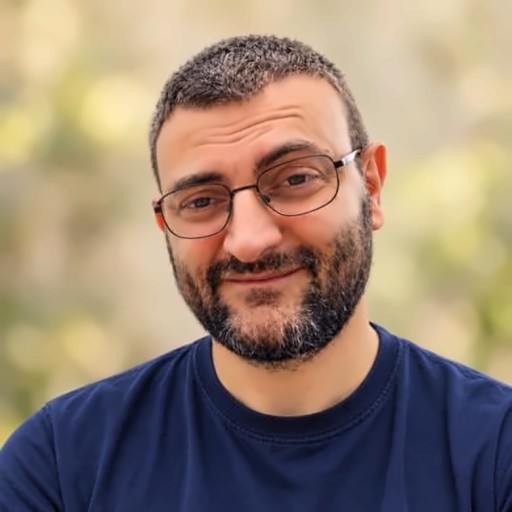
Roberto Trasarti
Senior Researcher, ISTI-CNR KDD Lab; Coordinator of SoBigData RI
Roberto Trasarti is a senior researcher and data scientist at the Institute of Information Science and Technologies of the Italian National Research Council (ISTI-CNR) in Pisa. He coordinates the SoBigData Research Infrastructure (www.sobigdata.eu), which supports research into social phenomena using large-scale data. He studies human behavior to better understand how people and communities interact and his work spans data mining, human mobility, artificial intelligence, the ethical impact of AI, and open science. He is coordinating and contributing to several international research projects and publications on data analysis and social data science, bringing together technical methods and AI applications. Roberto holds a PhD in Computer Science from the University of Pisa.
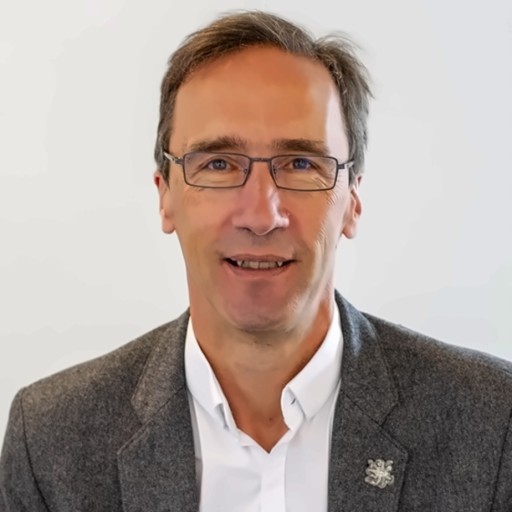
Benoît Pirenne
Chief Innovation and Technology Officer, Ocean Networks Canada (University of Victoria)
Benoît Pirenne is Chief Innovation and Technology Officer at Ocean Networks Canada (University of Victoria), driving adoption of emerging ocean-observation technologies. He joined UVic in 2004 to build the data system for the NEPTUNE and VENUS observatories, following 18 years at the European Southern Observatory.
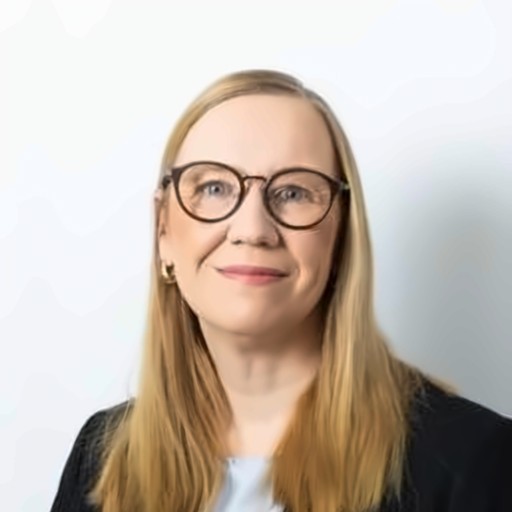
Tanja Joona
Professor of Arctic Sustainability Science
Tanja Joona is Professor of Arctic Sustainability Science and Adjunct Professor of Public International Law at the Arctic Centre, University of Lapland. She is the newly appointed Program Director of Finland’s Strategic Research Council's ARCTIC Research Program. She is also the Principal Investigator of the SRC funded REBOUND consortium, which explores pathways towards a just green transition in the Arctic. Her research focuses on Arctic governance, comprehensive security, preparedness, sustainability, resilience, and the just green transition, with particular emphasis on the rights and participation of local communities in environmental, land-use, and energy governance. She was a Fulbright Scholar at the Arctic Initiative program (IV) and a visiting researcher at the Northern Arizona University (2026). She has multiple positions of trust in the society e.g. she serves as Chair of the Arctic Working Group of the Baltic Sea Commission.
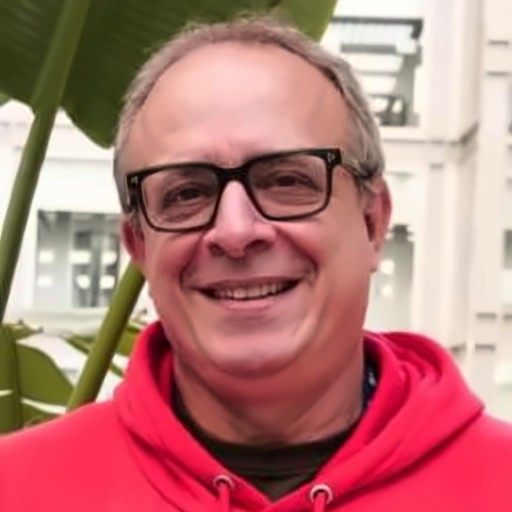
Jaume Piera
Project coordinator of HE ANERIS and HE ProBleu
Head of the EMBIMOS (Participatory Information Systems for the Environment and Sustainability) research group, an interdisciplinary team dedicated to understanding, developing, and implementing participatory information systems for decision-making, with the goal of fostering environmental sustainability. With over 20 years of experience in multidisciplinary research programs, his current work focuses on the design and evaluation of scientific and technological infrastructures for environmental monitoring, specifically those based on citizen science approaches, known as "citizen observatories." This encompasses several areas: technologies that facilitate citizen participation and engagement in scientific research, the development of new methods for analysing data derived from participants, and the promotion of incorporating local and traditional knowledge into actionable research, conservation and education programs.
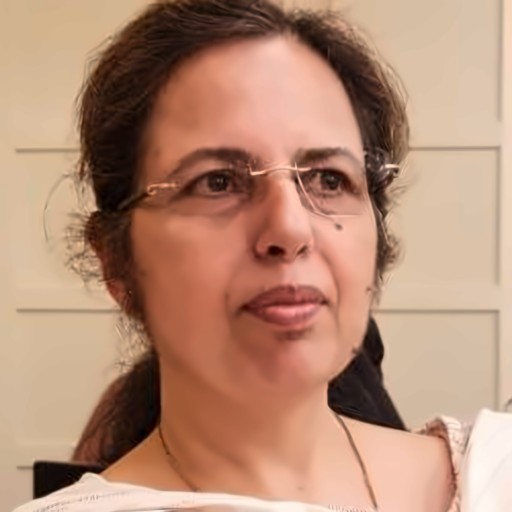
Neeti Sanan Mishra
Group Leader at Plant RNAi Biology
Dr. Neeti Sanan-Mishra leads the Plant RNAi Biology Group at the International Centre for Genetic Engineering and Biotechnology (ICGEB), New Delhi. Her research explores how microRNAs regulate plant development and responses to microbes and environmental stresses, including drought, salinity, heat and viral infections. Her work also encompasses long-distance communications in plants. Her group developed ARMOUR, a freely accessible rice microRNA-mRNA database, supporting wider access to molecular research resources. Through international doctoral supervision, training and outreach, she strengthens research capacity and connects plant biotechnology with wider societal priorities in sustainable agriculture and food security. She holds an M.Sc. in Life Sciences and a Ph.D. in Molecular Plant Physiology from Jawaharlal Nehru University and joined ICGEB in 2000. A recipient of the POWER Fellowship, she has authored numerous peer-reviewed publications and holds patents.