Einstein Telescope
A truly European endeavour to push the frontiers of science and technology: this is the Einstein Telescope, ET.
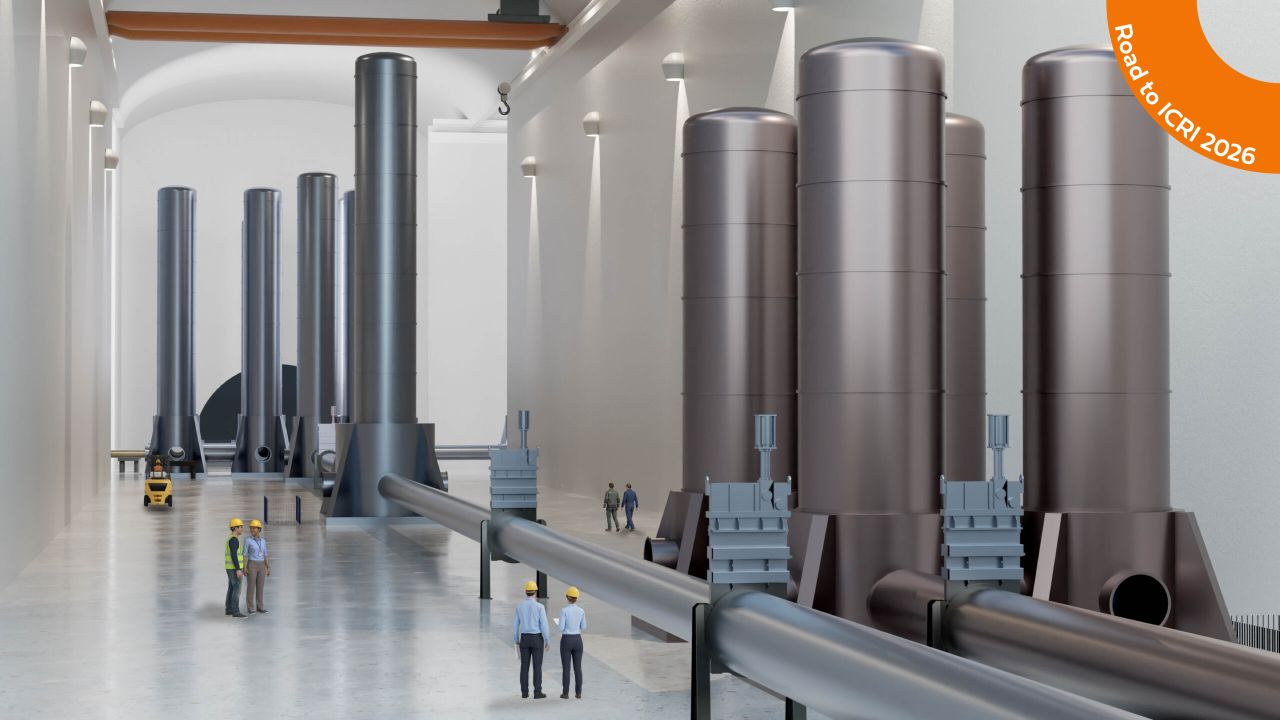
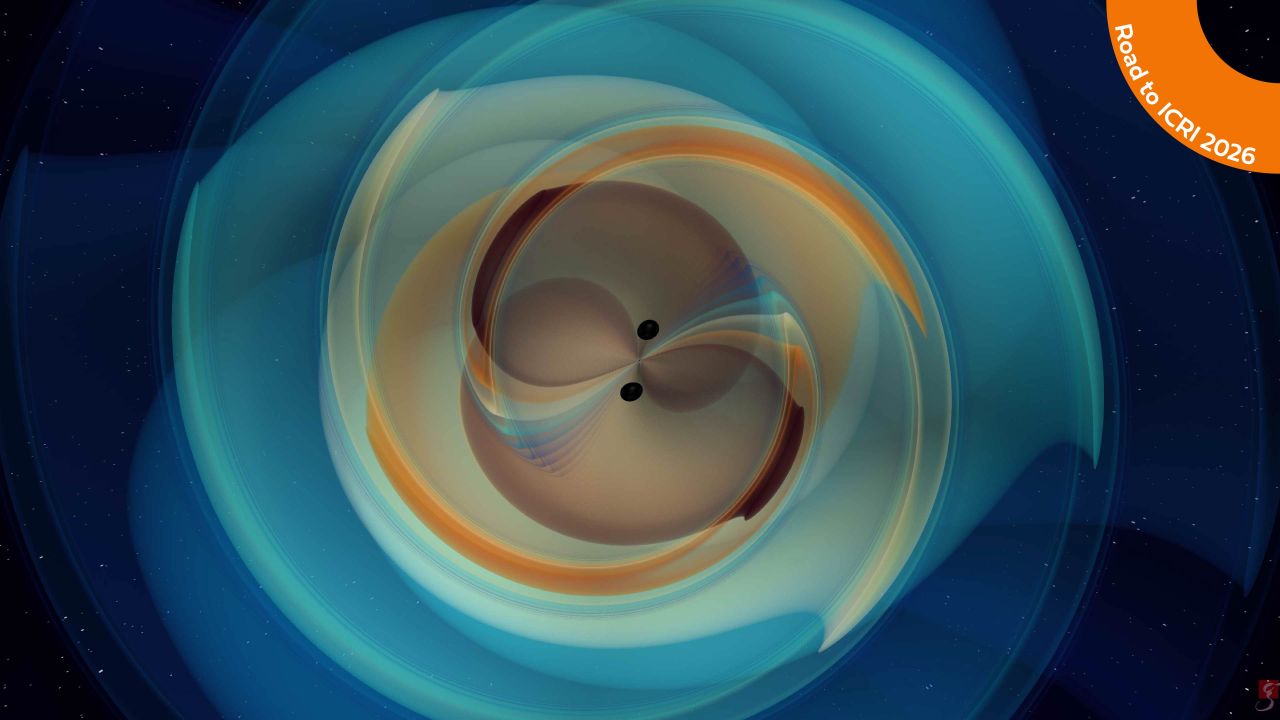
The Einstein Telescope will be a major European research infrastructure dedicated to the study of gravitational waves, the messengers from some of the most extreme astrophysical events in the Universe, such as the coalescence of black holes and neutron stars or supernovae explosions.
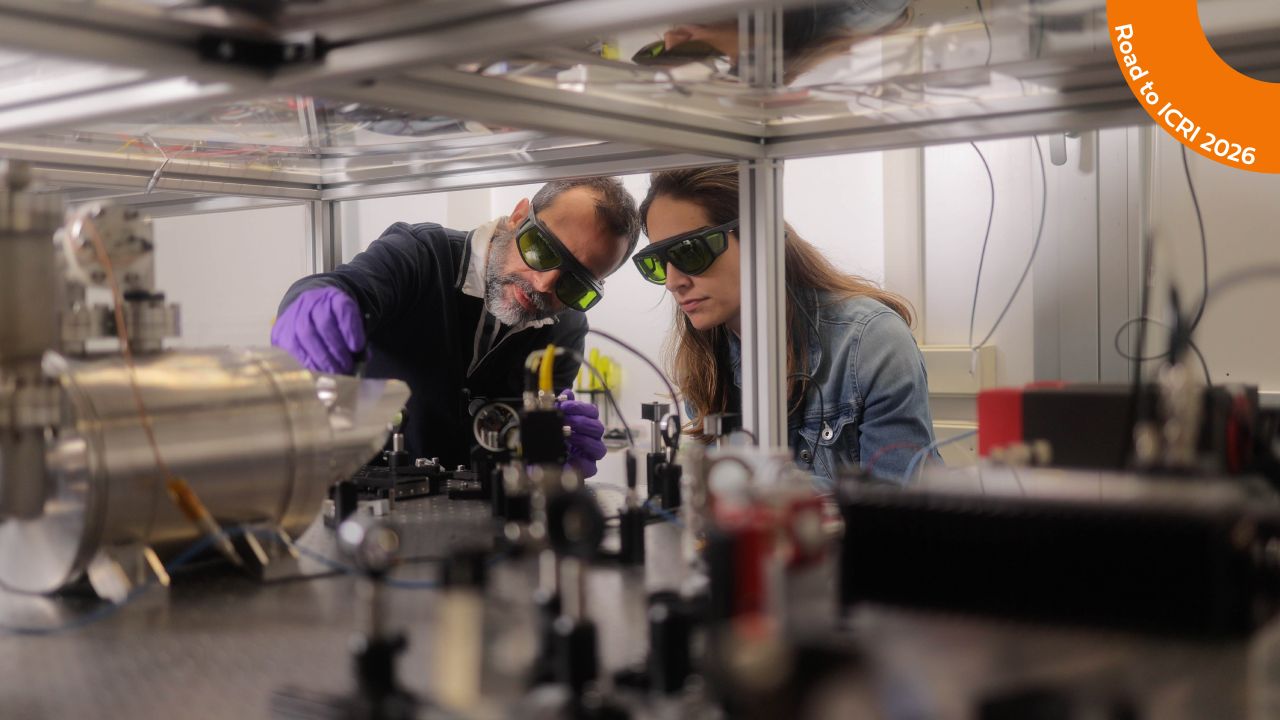
Building on the experience of current gravitational-wave observatories such as Advanced Virgo and Advanced LIGO, ET will take gravitational-wave astronomy to a new level. Its larger size, underground design and innovative technologies will make it significantly more sensitive than current detectors, enabling scientists to observe the Universe in greater detail and explore phenomena that are currently beyond reach.
The Einstein Telescope brings together around 2,000 scientists from 307 institutions in 31 countries, while creating new opportunities for European industry through the development of advanced technologies and innovative solutions.
Learn more on einsteintelescope.eu


Future Circular Collider

SoBigData

AURIN

Therapeutic Innovation Australia (TIA)
ECCSEL ERIC

NEXUS

ELIXIR

Monitoring Electoral Democracy (MEDem)

Network Italiano Core Facilities (NICo)

EPOS ERIC
INFN

Emphasis

Helmholtz-Zentrum Dresden-Rossendorf (HZDR)

Vilnius University | Faculty of Medicine

European Social Survey (ESS)

EGI Foundation